
Beyond the Faders: A Philosophy on Modern Mixing
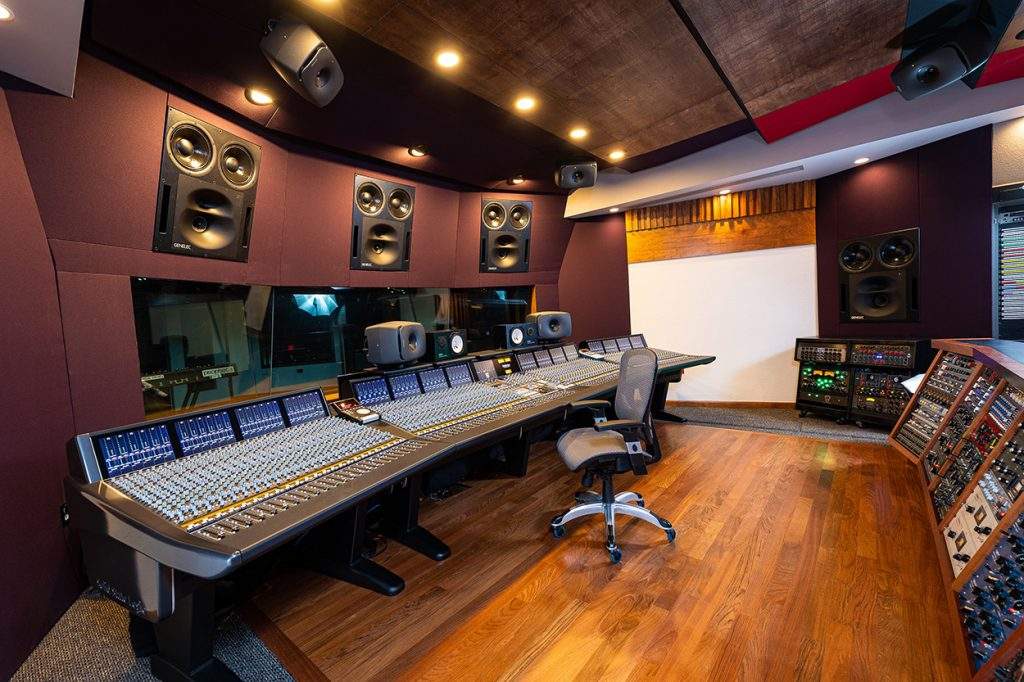
Many people think mixing is just about adjusting volume faders. While that’s part of it, a great mix is so much more. It’s an art form that balances technical precision with creative intuition to tell a song’s emotional story. It’s about taking a collection of individual tracks and weaving them into a single, cohesive, and impactful piece of music.
Here’s my core philosophy for approaching any mix.
Step 1: The Static Mix is Your Blueprint
Before I even think about reaching for a fancy plugin, I build the foundation. This is the “static mix.”
- Levels First: I start by setting the volume level for every single track. The goal is to find a rough balance where every element can be heard and nothing is overpowering. I pay special attention to the relationship between the kick, bass, and lead vocal, as they form the core of most modern tracks.
- Panning for Width: Next, I pan the instruments across the stereo field. This is how you create width and separation. I keep the core elements like the kick, snare, bass, and lead vocal mostly centered. Then, I pan guitars, synths, and backing vocals left and right to create a wide, immersive soundscape. This simple step alone can make a mix feel huge.
I spend a significant amount of time on the static mix. If the song sounds good with only levels and panning, you’re already 80% of the way there.
Step 2: Creating Depth (Front-to-Back)
A flat mix is a boring mix. The next step is to create a sense of three-dimensional depth, placing instruments not just left-to-right, but also front-to-back.
- Volume is Depth: The simplest tool for depth is volume. Quieter elements naturally sound further away.
- Reverb Defines the Space: I use reverb to create the “room” the song lives in. A short, subtle room reverb can glue everything together. Then, I’ll use a longer plate or hall reverb specifically on elements I want to push back, like a synth pad or a background vocal.
- Pre-Delay is Key: The secret weapon for depth is pre-delay on your reverb. This is the small amount of time (in milliseconds) before the reverb kicks in. A longer pre-delay on a vocal’s reverb can make it sound like the vocal is right in front of the listener, while the “room” is behind it.
Step 3: The Low-End Relationship
The most challenging part of any mix is getting the low end right. The kick drum and the bass guitar are constantly fighting for the same sonic space.
- Carve Out Space with EQ: I decide which instrument will own the very low “sub” frequencies (usually the kick in dance music, or the bass in rock) and which will own the “punchy” low-mids. I use an equalizer to gently cut frequencies from one instrument to make space for the other. For example, I might cut a little bit of 80Hz from the bass to let the kick’s punch come through.
- Sidechain Compression: This is the classic technique for making the kick and bass work together. I set up a compressor on the bass track that is “triggered” by the kick drum. Every time the kick hits, the bass’s volume ducks down for just a millisecond. This creates a pocket of space for the kick to hit hard, making the low end feel powerful and clean instead of muddy.
Ultimately, a great mix serves the song. It enhances the artist’s vision and makes the listener feel something. It’s a puzzle of space, tone, and emotion, and it’s one of the most rewarding parts of making music.